
Ultimate Ranking Guide: Top 10 Most Difficult Sports
The concept behind the top 10 most difficult sports goes far beyond simple physical strength or endurance. True difficulty in sports is defined by how many different abilities an athlete must combine and execute under pressure. Some sports demand explosive power, while others require extreme precision and control. In many cases, the hardest sports are those that force athletes to perform multiple skills simultaneously. This creates a unique level of complexity that separates elite athletes from the average participant. Understanding this complexity is key to appreciating why certain sports stand out as exceptionally demanding.
Dimensions of Sporting Difficulty
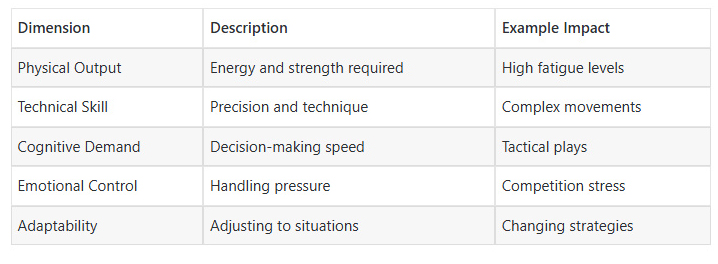
Sports difficulty can be broken down into several core dimensions that influence performance. These dimensions include physical output, technical mastery, cognitive processing, and emotional control. Each sport emphasizes these dimensions differently, creating unique challenges. For example, some sports require constant movement, while others depend on short bursts of energy. Environmental conditions and equipment can also increase complexity. When combined, these dimensions create a comprehensive picture of what makes a sport difficult.
Difficulty Dimensions Table
| Dimension | Description | Example Impact |
| Physical Output | Energy and strength required | High fatigue levels |
| Technical Skill | Precision and technique | Complex movements |
| Cognitive Demand | Decision-making speed | Tactical plays |
| Emotional Control | Handling pressure | Competition stress |
| Adaptability | Adjusting to situations | Changing strategies |
The Sports Ranking Explained
Rather than simply listing sports, this section explains why each one earns its place in the ranking. The focus is on identifying the specific challenges that define each discipline. This approach provides a deeper understanding of how difficulty varies across sports. It also highlights how different skill sets contribute to overall performance. By analyzing each sport individually, the ranking becomes more meaningful and insightful. This method ensures that every sport is evaluated fairly and thoroughly.
Boxing
Boxing requires a rare combination of endurance, strength, and tactical intelligence. Athletes must constantly move, defend, and attack while maintaining focus. The physical strain is intense, but the mental pressure is equally demanding. Every second in the ring requires awareness and quick decision-making. The ability to stay calm under pressure defines success.
Ice Hockey
Ice hockey challenges athletes with speed, coordination, and physical contact. Players must skate efficiently while controlling the puck and reacting to opponents. The fast pace leaves little room for mistakes. Teamwork is essential for both offense and defense. The physical nature of the sport adds an extra layer of difficulty.
American Football
American football combines power, speed, and strategy. Players perform explosive actions that require strength and precision. Each play involves complex planning and execution. Physical collisions are frequent and intense. Mental preparation is crucial for understanding tactics.
Basketball
Basketball demands constant movement and high levels of coordination. Players must balance offense and defense while maintaining stamina. Precision is key when shooting and passing. Quick thinking is required to adapt to changing situations. Team synergy enhances overall performance.
Wrestling
Wrestling focuses on strength, balance, and control. Athletes must dominate their opponents physically while maintaining technique. Matches are physically exhausting and require endurance. Strategy plays a key role in gaining advantage. Mental toughness is essential for success.
Martial Arts
Martial arts involve discipline, precision, and control. Practitioners must master various techniques and apply them effectively. Timing and awareness are critical during competition. Physical conditioning supports performance. The mental aspect is equally important.
Tennis
Tennis requires speed, accuracy, and endurance. Players must react quickly to fast-moving shots. Matches can last for extended periods, testing stamina. Positioning and footwork are essential skills. The individual nature of the sport increases pressure.
Gymnastics
Gymnastics demands flexibility, strength, and coordination. Athletes perform routines that require perfect execution. Training involves repetition and refinement. Small errors can have significant consequences. The sport combines athleticism with artistry.
Baseball / Softball
These sports emphasize timing, coordination, and strategy. Players must react instantly to pitches and fielding situations. Precision is critical for success. Mental focus is required throughout the game. Consistency defines performance.
Soccer
Soccer combines endurance, agility, and teamwork. Players must sustain energy over long periods. Quick decisions are necessary in dynamic situations. Technical skills such as passing and dribbling are essential. Team coordination determines success.
Performance Demand Comparison
The following comparison highlights how each sport differs in terms of endurance, strength, and overall skill complexity. This table provides a clearer perspective on the specific demands placed on athletes in each discipline. By examining these categories side by side, it becomes easier to understand why certain sports are considered more challenging than others. Each metric reflects a critical aspect of performance that contributes to overall difficulty. This structured comparison allows for a more objective evaluation of athletic demands.
Performance Demand Table
| Sport | Endurance | Strength | Skill Complexity |
| Boxing | High | Very High | High |
| Ice Hockey | High | High | Very High |
| American Football | Medium | Very High | Medium |
| Basketball | High | High | High |
| Wrestling | Very High | Very High | High |
| Martial Arts | High | High | Very High |
| Tennis | Very High | Medium | High |
| Gymnastics | Medium | High | Very High |
| Baseball | Low | Medium | Very High |
| Soccer | Very High | Medium | High |
Finding the Right Challenge
Choosing a sport should depend on your personal strengths and interests. Some individuals thrive in physically intense environments, while others excel in technical disciplines. Understanding your natural abilities can guide your decision. It is also important to consider long-term commitment and training requirements. Trying different sports can help identify your preferences. Ultimately, enjoyment and consistency are key factors in success.
Final Summary
The top 10 most difficult sports represent a wide spectrum of athletic challenges. Each sport pushes athletes in different ways, combining physical, mental, and technical demands. While rankings may vary depending on perspective, the effort required to master these sports is undeniable. Appreciating these challenges provides a deeper understanding of athletic performance. Every sport on this list deserves recognition for its complexity. The true difficulty lies in mastering all aspects simultaneously.
Conclusion
The top 10 most difficult sports showcase the incredible range of challenges present in athletic competition. Each sport combines unique physical, technical, and mental demands that push athletes to their limits. While some emphasize endurance and strength, others require precision and strategic thinking. This diversity highlights that difficulty is not one-dimensional but rather a combination of multiple factors. Recognizing these differences helps build a deeper appreciation for all types of sports. Ultimately, the true challenge lies in mastering the balance between body and mind.
FAQ
What defines a difficult sport?
A difficult sport combines physical effort, technical skill, and mental focus.
Are individual sports harder than team sports?
They can be, due to increased personal responsibility and pressure.
Which sport requires the most coordination?
Gymnastics and ice hockey require extremely high coordination.
Can beginners try difficult sports?
Yes, with proper training and gradual progression.
Do difficult sports improve mental strength?
Yes, they often enhance focus, discipline, and resilience.